Blog
How Tire Importers Can Source Premium Tires at Factory Prices | Factory Direct Global Tire Distribution Supplier

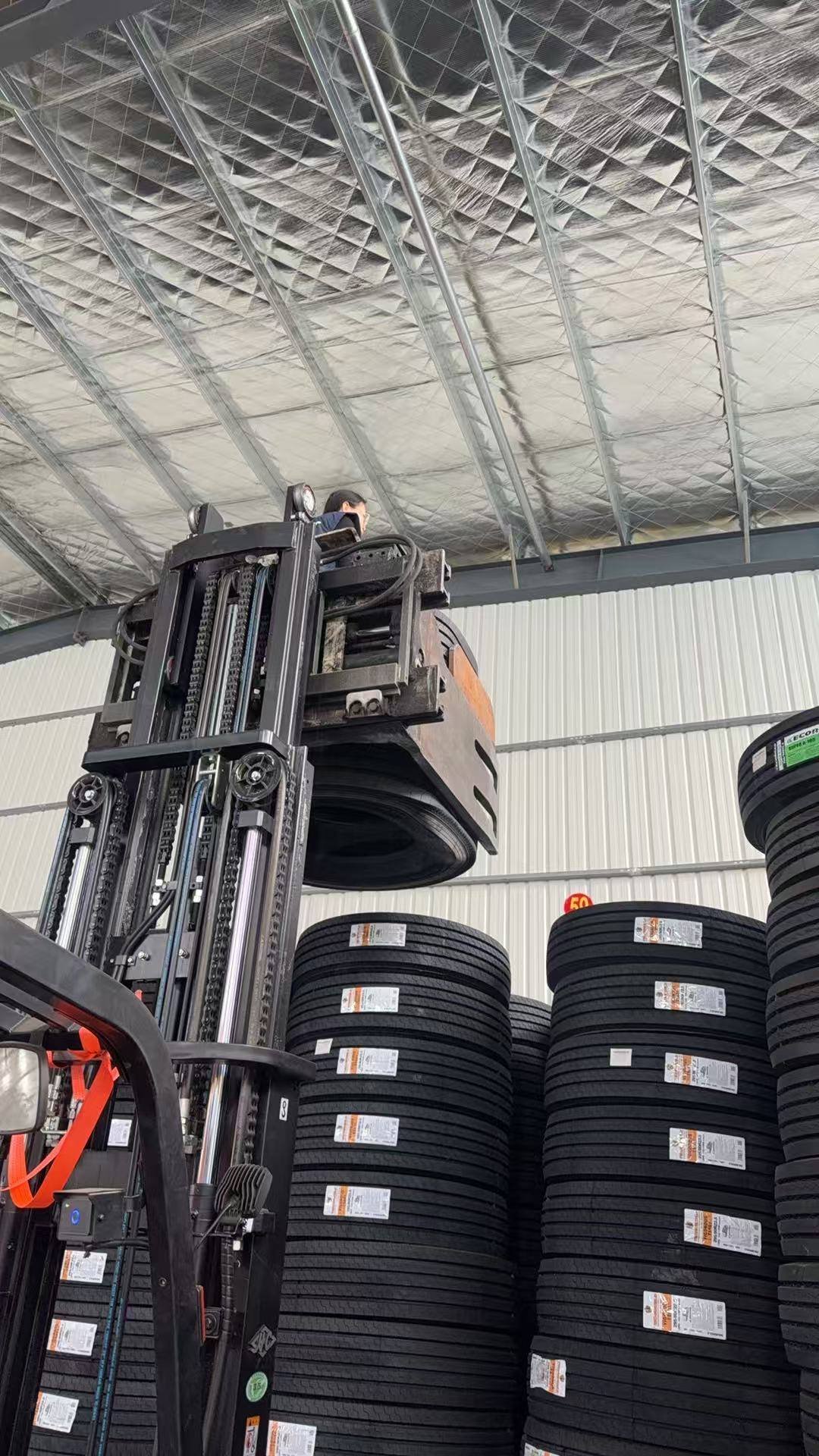
In today’s highly competitive global tire market, importers are under increasing pressure to secure high-quality products at the most cost-effective prices. Whether supplying regional dealerships, managing fleet accounts, or servicing large-scale distribution networks, success depends on one critical factor—access to a reliable tire wholesale supplier that can deliver consistent quality at factory-direct pricing.
For many importers, the difference between profit and loss often comes down to sourcing strategy. Working directly with manufacturers and established distributors can eliminate unnecessary intermediaries, reduce cost inflation, and significantly improve product margins. This is where understanding global sourcing channels, OEM relationships, and structured distribution programs becomes essential.
Understanding the Role of Tire Wholesale Supply Chains | Factory Direct Global Tire Distribution Supplier
Modern tire distribution is built on a layered global network. At the top of this structure are manufacturers and OEM partners, followed by authorized distributors, regional warehouses, and finally retail or fleet buyers. Importers who position themselves correctly within this system can benefit from wholesale tire supplier USA networks that provide access to large-volume inventory at competitive pricing.
A well-established bulk tires distributor USA typically works directly with factories or authorized OEM production lines. This allows importers to bypass inflated retail supply chains and gain access to pricing structures closer to true manufacturing cost. These distributors also maintain inventory consistency, which is critical for importers managing seasonal demand fluctuations or fleet contracts.
Why Factory Pricing Matters in Tire Importation
Factory pricing is not just about lower cost—it is about scalability and long-term stability. Importers who secure relationships with a trusted tire exporter wholesale network gain predictable pricing structures, which is essential for planning logistics, warehousing, and resale margins.
For example, importers working with an established tire wholesale supplier can access multiple product categories, including passenger, SUV, and commercial truck tires, without negotiating separate contracts for each segment. This consolidated sourcing model reduces operational complexity while improving profitability.

Leveraging OEM Tire Supply for Competitive Advantage
One of the most powerful sourcing strategies in the industry is partnering with an OEM tire supplier bulk program. OEM suppliers manufacture tires according to original equipment specifications for major automotive brands. These products are often identical in quality to branded retail tires but are available at significantly lower costs when purchased in bulk.
Importers who integrate OEM sourcing into their business model gain access to high-performance inventory suitable for both retail and fleet applications. This is especially valuable for businesses operating in fleet tire supply wholesale, where consistency, durability, and reliability are critical performance metrics.
Expanding into Commercial and Fleet Tire Markets
The commercial tire segment remains one of the most stable and profitable areas for importers. Partnering with a strong commercial tire distributor allows businesses to tap into logistics companies, construction fleets, and transportation operators who require consistent tire replacement cycles.
In this segment, importers often rely on structured truck tire wholesale program offerings, which provide bulk pricing, predictable supply schedules, and access to heavy-duty tire categories designed for long-haul and regional transport operations.
Fleet operators prioritize durability and cost-per-mile efficiency, making them ideal long-term clients for importers who can deliver consistent supply through wholesale channels.
Global Tire Distribution and Export Opportunities
As demand for tires continues to grow worldwide, many importers are expanding into international markets. Working with a global tire distribution supplier enables access to multi-regional inventory, allowing importers to serve diverse markets from North America to Europe, Africa, and Asia.
These global suppliers typically maintain large warehouses and logistics networks, making it easier to manage cross-border shipments and compliance requirements. Importers can also benefit from flexible shipping terms, consolidated container loads, and multi-brand sourcing capabilities.
In addition, many established suppliers operate as a wholesale tires for dealers network, allowing importers to redistribute products to smaller retailers and workshops within their regions. This creates a scalable business model that supports both large and mid-sized customers.

Building a Strong Import Strategy for Long-Term Growth
To succeed in tire importation, businesses must go beyond simple purchasing and focus on strategic sourcing partnerships. Aligning with a trusted tire exporter wholesale partner ensures not only cost efficiency but also product reliability and supply continuity.
Successful importers typically diversify their sourcing channels, combining OEM production, commercial tire programs, and passenger tire inventories to serve multiple market segments. This multi-channel approach helps stabilize revenue even during seasonal demand shifts.
For example, integrating a fleet tire supply wholesale agreement allows importers to secure recurring orders from logistics companies, while simultaneously supplying retail dealerships through wholesale distribution channels.
Choosing the Right Supplier Partner
Selecting the right supplier is the most important decision in tire importation. A reliable partner should offer:
- Consistent inventory availability
- Competitive factory-direct pricing
- Access to multiple tire categories
- Global shipping capabilities
- OEM and branded product options
Working with an established wholesale tire supplier USA gives importers access to structured logistics systems, quality assurance processes, and scalable distribution models.
Many successful importers also prefer suppliers who operate as both manufacturers and distributors, ensuring full control over production quality and supply chain efficiency.
Final Thoughts
The global tire market continues to evolve, but one principle remains constant: importers who secure direct access to factory pricing and structured distribution networks consistently outperform those relying on fragmented supply chains.
By partnering with a trusted tire wholesale supplier, leveraging OEM tire supplier bulk programs, and expanding into structured commercial tire distributor and fleet tire supply wholesale networks, importers can build highly profitable and scalable businesses.
Whether targeting passenger vehicles, commercial fleets, or international markets, success ultimately depends on strategic sourcing and long-term supplier relationships.
For importers looking to strengthen their supply chain and access premium inventory at competitive pricing, exploring a reliable global partner is the first step toward sustainable growth. You can explore more about structured supply solutions and tire distribution opportunities on our internal page here:
👉 https://generalrubberthai.store
By positioning yourself within the right wholesale ecosystem, you not only reduce costs but also unlock long-term business expansion opportunities in the global tire industry.