Blog
Direct Private Label Tires Supply Chain for Global Buyers

In today’s highly competitive global tire industry, bulk tire sourcing for global buyers has become one of the most important strategies for importers, distributors, and brand owners who want to build scalable and profitable businesses. Understanding how the global supply chain works is essential for accessing factory direct private label tires, reducing procurement costs, and improving long-term supply stability. As international demand grows, buyers are increasingly focusing on direct manufacturing relationships rather than traditional multi-layer distribution models.
The modern tire industry is no longer limited to simple wholesale purchasing. Instead, it is built around integrated manufacturing ecosystems, global logistics networks, and OEM partnerships that allow companies to develop customized products through factory direct private label tires programs. This article explains how the global bulk tire supply chain operates and how businesses can leverage international tire wholesale sourcing to build strong and sustainable tire brands.
Private Label Tires in Tire Supply System
The concept of factory is transforming how global buyers enter the tire market. Instead of purchasing pre-branded products, importers now work directly with manufacturers to create customized tire lines under their own brand identity.
This approach eliminates unnecessary intermediaries and allows businesses to gain full control over product specifications, branding, and pricing. In many cases, buyers partner with a private label tire supplier to develop exclusive product lines tailored to specific regional markets.
Within the global tire buyers guide, private labeling is considered one of the fastest ways to establish a competitive brand presence without investing in manufacturing infrastructure.
Private Label and OEM Manufacturing Systems
Modern tire production relies heavily on OEM partnerships. An OEM private label tires manufacturer produces tires based on detailed specifications provided by importers or distributors. These specifications may include tread design, rubber compound, performance rating, and branding elements.
The tire white label manufacturing process allows businesses to purchase ready-made tire designs and apply their own branding, while OEM production offers deeper customization and engineering flexibility.
This dual approach enables importers to scale quickly while maintaining product differentiation in competitive markets.
Custom Branding Strategies
One of the key advantages of working with a custom branded tires factory is the ability to create a unique identity in the global marketplace. Branding plays a critical role in customer trust, especially in high-competition segments such as passenger, SUV, and performance tires.
Manufacturers offering tire branding and manufacturing services support clients through packaging design, sidewall branding, product positioning, and marketing alignment.
Businesses that invest in tire private branding program solutions can build long-term brand equity while maintaining factory-level pricing advantages.
Bulk Tire Sourcing Strategy
A major driver of profitability in the industry is bulk tire sourcing for global buyers. This strategy involves purchasing large volumes directly from manufacturers to reduce per-unit costs and improve supply chain efficiency.
Companies that rely on international tire wholesale sourcing benefit from stable pricing, priority production scheduling, and access to OEM customization options.
This model is especially effective for distributors managing regional dealerships or fleet supply contracts.
Global Supply Chain Structure
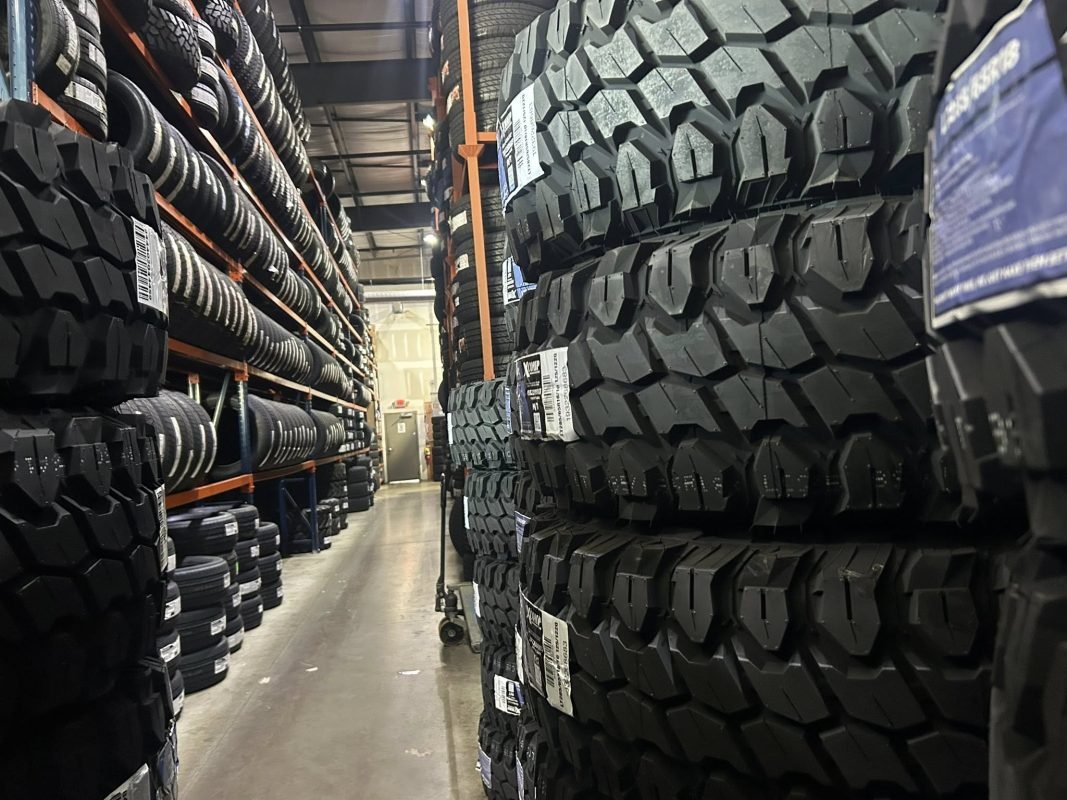
The global bulk tire supply chain consists of several interconnected stages, including raw material sourcing, manufacturing, quality control, logistics, and final distribution.
At the manufacturing level, factories produce tires using advanced automation systems and strict quality standards. These products are then distributed through international logistics networks to wholesalers, importers, and retailers.
By working directly with a private label tire supplier, businesses can bypass traditional distribution layers and gain access to more efficient pricing structures.
Market Expansion Opportunities
One of the most significant advantages of private labeling is the ability to expand into multiple market segments simultaneously. Importers can develop product lines for passenger vehicles, SUVs, trucks, and performance applications using a single manufacturing partner.
For example, businesses entering the SUV all season tires bulk supplier segment often start with private label agreements to quickly establish product availability and brand recognition.
Similarly, distributors targeting the performance tires distributor USA market rely on OEM partnerships to ensure consistent quality and competitive pricing.
Performance and Specialty Markets
The performance segment is one of the fastest-growing areas in the tire industry. Through sport tires wholesale supplier networks, businesses can access high-grip, high-speed tire designs tailored for enthusiast markets.
In motorsport applications, track performance tires bulk order agreements allow distributors to secure specialized products directly from manufacturers, ensuring consistency and technical precision.
These partnerships often involve close collaboration between engineers and brand owners to meet exact performance requirements.
Supply Chain Efficiency
Efficiency is a key factor in global tire distribution. The tire import supply chain guide highlights how critical it is to streamline procurement, logistics, and inventory management.
By working directly with factories offering factory direct private label tires, importers can reduce lead times, minimize shipping complexity, and improve overall profitability.
This model also allows for better forecasting and inventory planning, especially in seasonal markets.
Global Sourcing Verification
Before entering any manufacturing agreement, buyers must follow a strict tire supplier verification guide to ensure factory legitimacy and production capability.
Working with verified tire manufacturers overseas reduces the risk of counterfeit products and ensures compliance with international standards.
Many importers rely on a certified tire exporters directory to identify approved manufacturing partners with proven export histories.

Factory Access Advantage
Gaining tire factory wholesale access is one of the most powerful advantages in the industry. It allows buyers to negotiate directly with production facilities, bypassing intermediaries and securing better pricing structures.
This access also supports long-term partnerships and priority production scheduling, which is critical for high-volume importers.
Businesses often maintain a tire manufacturers contact list to streamline communication and ensure consistent supply chain performance.
Conclusion: The Future of Factory Direct Private Label Tires
The global tire industry continues to evolve rapidly, and factory have become a cornerstone of modern distribution strategies. By leveraging OEM manufacturing, private branding, and direct factory sourcing, businesses can build strong, scalable, and highly profitable tire brands.
Understanding the global bulk tire supply chain, engaging in international tire wholesale sourcing, and working with verified manufacturers are essential steps for success in today’s competitive market.
Whether entering passenger, SUV, or performance segments, companies that adopt private label strategies will gain a significant competitive advantage in pricing, branding, and market expansion.
For businesses ready to scale, the key lies in building strong factory relationships, optimizing logistics, and leveraging private label manufacturing to create long-term growth opportunities in the global tire industry.